How to Document Appliance Repairs Accurately to Avoid Customer Disputes
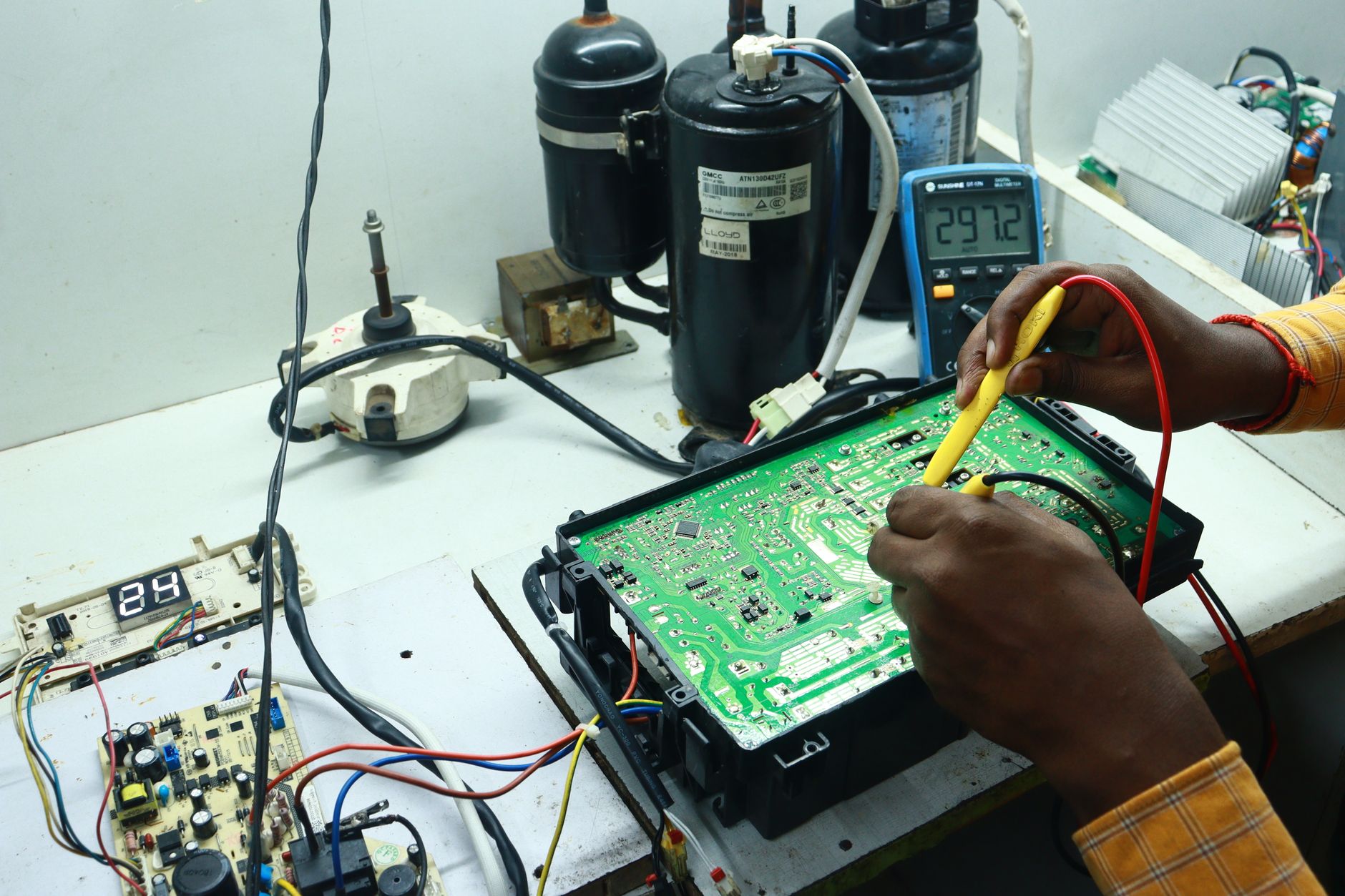
Appliance repair professionals know that a successful fix involves more than just swapping out a faulty thermostat or clearing a clogged drain pump. It requires clear communication and verifiable proof of the work performed. When a customer calls back claiming the machine is still broken, or disputes an invoice charge, your best defense is a thorough, transparent paper trail. Implementing structured appliance repair documentation practices ensures that both your technicians and your customers are on the exact same page, reducing callbacks, protecting profit margins, and building long-term trust.
This guide breaks down everything independent technicians and service companies need to know about capturing diagnostic findings, recording replaced parts, securing customer sign-offs, and transforming routine service calls into bulletproof professional work records.
Understanding the Root Causes of Appliance Repair Disputes
Disputes in the field service industry rarely stem from poor technical skill. Instead, they almost always arise from a mismatch in expectations or a lack of verifiable records. Common friction points during or after a service visit include:
- Unclear Diagnostics: The customer believes you fixed a symptom rather than the root cause because the initial diagnostic findings were never explained or written down.
- Surprise Charges: Labor hours, diagnostic fees, or specialized component costs were discussed verbally but omitted from the pre-approval estimate or final invoice.
- Pre-Existing Damage: Scratches on stainless steel panels, dented side casings, or cracked control boards discovered after the repair are incorrectly blamed on the technician.
- Warranty Misunderstandings: The customer expects a lifetime guarantee on an entire 10-year-old refrigerator when your policy only covers the specific heating element replaced for 90 days.
Addressing these vulnerabilities requires a systematic approach to every job, starting from the moment you step through the door to the final handshake and handover report.
Beginner-Friendly Explainer: The Anatomy of a Bulletproof Repair Record
If your current record-keeping consists of a scribbled line on a carbon-copy notepad, it is time to upgrade to a structured format. A professional work document serves as a legal record of service, a receipt, and an educational tool for the client. Every complete service record should feature five distinct sections:
- Administrative Details: Accurate timestamps of arrival and departure, client contact information, exact equipment location, brand, model number, and serial number.
- Initial Complaint & Diagnostics: The exact problem reported by the customer alongside your technician's technical findings, error codes, and testing results.
- Scope of Work & Parts: A detailed line-item breakdown of the repair procedure, including exact manufacturer part numbers and serial numbers of installed components.
- Safety & Compliance Checks: Verification that electrical grounds, water supply lines, and gas fittings were tested and secured before departure.
- Authorization & Sign-Off: Explicit customer acknowledgment of completed work, total costs, and warranty terms.
When you use reliable digital generators like a service report generator or a dedicated repair report template, formatting these sections becomes an automatic part of your daily routine rather than a chore.
Practical Examples: Real-World Service Scenarios
To see how proper documentation saves revenue and reputation, let us examine two common field scenarios handled by professional service teams.
Scenario A: The Intermittent Dishwasher Leak
The Situation: Technician Sarah arrives to service a high-end dishwasher leaking from the bottom corner during the rinse cycle. Sarah runs a diagnostic cycle, discovers a punctured door gasket caused by improper loading, and replaces the seal. Two days later, the customer calls back claiming water is pooling on the kitchen floor again.
The Documentation Fix: Because Sarah used a digital job sheet and maintenance report during her visit, her report includes:
- A clear photo of the original torn gasket attached to the digital file.
- Notes stating that the water inlet valve, drain hose, and tub base were inspected and found completely dry during testing.
- A signed customer acknowledgment noting that the leak was traced specifically to foreign object damage (a sharp utensil cut the seal).
When the customer calls back, Sarah reviews the record calmly. She explains that while the door gasket is performing correctly, a secondary leak has developed near the drain hose connection—an area that was dry during the initial visit. Because the baseline condition was documented, the customer understands this is a new issue rather than a botched repair, preserving the relationship and opening the door for a transparent follow-up service call.
Scenario B: The Refrigerator Compressor Replacement
The Situation: Technician Marcus replaces a sealed system compressor on a French-door refrigerator. The repair requires recovery of refrigerant, brazing lines, vacuum testing, and recharging. Two weeks later, the homeowner lists the house for sale and insists the home inspector found the refrigerator failing to reach temperature.
The Documentation Fix: Marcus relies on a rigorous work completion certificate and installation certificate workflow for all major sealed-system overhauls. His documentation records:
- Exact refrigerant weight added in ounces.
- Final operating temperatures of both fresh food and freezer compartments recorded after a 4-hour stabilization test.
- Serial numbers of the new compressor matched against the manufacturer warranty registration.
Armed with this data, Marcus provides the homeowner with the exact compliance metrics needed to satisfy the home inspector, avoiding an unnecessary emergency dispatch and proving the repair was executed to factory specifications.
Tool Preview: Streamlining Your Workflow with Digital Records
Transitioning away from paper notebooks does not require expensive, complex enterprise software. Modern independent contractors and multi-tech service teams benefit greatly from lightweight, browser-based document creators.
Using a dedicated platform like MyWorkProof allows technicians to generate professional paperwork directly from a mobile browser on a smartphone or tablet in the field. Key capabilities include:
- Instant PDF Generation: Convert quick field notes into clean, branded PDFs that can be emailed or texted to the client before driving away.
- Standardized Fields: Never forget to record a model number, serial number, or warranty condition again thanks to intuitive pre-built form layouts.
- Digital Signatures: Capture customer approval right on the touchscreen, locking in agreement on pricing, scope, and completed tasks.
- Before-and-After Evidence: Attach visual proof of damaged components and successful repairs directly to the permanent archive.
By standardizing your paperwork through tools designed specifically for trade professionals, you eliminate handwriting legibility issues and establish a reputation for absolute reliability.
Comprehensive Appliance Repair Documentation Checklist
To ensure consistency across every job, utilize this step-by-step checklist during your next service call:
- Pre-Service Inspection: Verify client contact info, appliance brand, model number, and serial number. Document pre-existing cosmetic wear with photos.
- Diagnostic Phase: Record exact error codes, multimeter readings, water pressure levels, or gas supply checks.
- Estimate & Approval: Present a written line-item estimate including parts, labor, and tax. Obtain explicit customer signature before ordering parts or beginning work.
- Execution Phase: Note part numbers and serial numbers of any newly installed components. Follow manufacturer torque and wiring specifications.
- Post-Repair Testing: Run a complete test cycle while monitoring for leaks, unusual noises, or temperature stabilization.
- Final Handover: Review the completed work with the customer, explain warranty coverages, and secure the final digital sign-off.
Common Mistakes to Avoid in Service Documentation
Even experienced technicians can fall into bad habits that compromise their service records. Be sure to avoid these frequent documentation errors:
- Vague Descriptions: Writing "Fixed washer" or "Replaced part" provides zero value for future troubleshooting or warranty claims. Always specify the exact component name and part number.
- Missing Timestamps: Failing to record arrival and departure times can complicate billing disputes regarding hourly labor charges or emergency dispatch fees.
- Delayed Reporting: Waiting until the end of the week to write up service tickets leads to forgotten details, incorrect part numbers, and misremembered customer conversations.
- Ignoring Safety Sign-Offs: Omitting verification of anti-tip brackets on ranges or proper electrical grounding exposes your business to severe liability if an accident occurs later.
Advanced Tips for Professional Field Documentation
Once you have mastered the basics of writing clear service reports, elevate your operational standards with these advanced documentation strategies:
- Incorporate Timestamped Photos: Always take wide shots of the appliance in its surrounding cabinetry before starting work, protecting yourself against claims of scratched flooring or dented surrounding panels.
- Record Exact Error Codes: Never just write "Unit broken." Always note the specific digital fault code (e.g., F2E1 on modern ranges or LE on front-load washers) so future technicians have immediate historical context.
- Clearly Define Warranty Limitations: Explicitly separate manufacturer warranty coverage on parts from your company’s labor warranty duration on the final sign-off document.
- Archive Records in the Cloud: Maintain a searchable digital database of past client visits. When a customer calls three years later asking what model water inlet valve was installed, you can look it up in seconds.
- Standardize Your Handover Process: End every visit by walking the customer through the completed repair, showing them the new part if possible, and emailing the handover report while standing at their front door.
Deep Dive: Detailed Field Protocols for High-Risk Repairs
When handling complex repairs involving electrical heating elements, gas lines, or pressurized refrigeration systems, your documentation must go beyond standard baseline reports. High-risk calls require meticulous proof of compliance with local building codes and manufacturer specifications. For instance, when servicing gas ranges, your service report should explicitly state that a leak-detection solution or electronic combustible gas sniffer was used around all union fittings, and that the reading confirmed zero gas leakage. Similarly, when replacing sealed system components, noting the exact micron level pulled during evacuation proves that moisture and non-condensables were fully removed before recharging. This level of granular detail protects your business from catastrophic liability claims and establishes your company as a tier-one professional operation in your local market.
Managing Customer Objections During the Sign-Off Process
Even with pristine technical work, technicians occasionally encounter hesitant customers during the final work completion sign-off. Common objections include questioning why a diagnostic fee is still charged when a repair was approved, or expressing sticker shock over OEM component pricing. The secret to resolving these objections lies in your upfront documentation. By presenting a transparent, pre-approved estimate before picking up a wrench, you eliminate last-minute friction. If a customer remains unhappy or refuses to sign, never argue or leave without documentation. Instead, note the verbal refusal clearly on the digital job sheet, take comprehensive photos of the fully operational appliance, and send the final report via email immediately. This contemporaneous timestamped record creates an irrefutable trail of professional service delivery.
Leveraging Service Records for Business Growth and Marketing
Many contractors view repair documentation strictly as an administrative chore or a defensive shield against chargebacks, but well-managed service records can actively drive business growth. When you maintain a clean digital history of every customer's equipment, you unlock powerful recurring revenue opportunities. For example, if your service report system logs that a customer's tankless water heater was installed or serviced on a specific date, your CRM can trigger an automated maintenance reminder exactly one year later for flushing the heat exchanger. Furthermore, attaching before-and-after photographic proof of immaculate repairs to your social media or review requests provides authentic social proof that attracts high-value homeowners looking for honest, reliable tradespeople.
Frequently Asked Questions
What is the most important element to include in an appliance repair service report?
The most crucial elements are the exact appliance model and serial numbers, a clear description of the diagnostic findings, a line-item list of replaced parts, and a signed customer acknowledgment of the completed work and charges.
How can documentation protect my repair business from liability?
Detailed documentation proves that you followed manufacturer specifications, used correct replacement parts, and verified safe operation (such as electrical grounding and water line security) before leaving the premises, shielding you from unfounded claims.
Should I take photos before and after repairing an appliance?
Yes. Capturing images of the workspace, pre-existing cosmetic wear, diagnostic error codes, and the finished repair provides undeniable proof of the unit's condition before and after your service visit.
How do I handle a customer who refuses to sign a work completion report?
If a customer refuses to sign, note the refusal clearly on your digital copy with a timestamp and reason provided. Take photos of the successfully running appliance and email the report immediately so there is a contemporaneous record of service delivery.
Are digital repair records legally binding?
Digital service reports containing timestamps, detailed scope of work, and electronic customer signatures carry significant weight in dispute resolution, credit card chargeback defenses, and small claims proceedings.
What is the difference between a job sheet and a service report?
A job sheet is typically used internally by technicians to track time, tasks, and parts used during a shift, whereas a service report is a customer-facing document detailing diagnostics, repairs performed, costs, and warranty terms.
How long should I keep appliance service records on file?
It is best practice to retain service records, customer authorizations, and parts invoices for at least three to five years to cover warranty disputes and tax or liability requirements.
Can documentation help with technician performance tracking?
Yes. Reviewing completed work reports allows business owners to monitor average diagnostic times, common failure types by brand, and ensure that safety protocols are strictly followed across all service technicians.
Conclusion
Accurate appliance repair documentation is the backbone of a professional, dispute-free service business. By moving away from informal notes and adopting structured diagnostic reports, itemized parts lists, and digital customer sign-offs, you protect your revenue, eliminate ambiguity, and demonstrate exceptional professionalism. Clear records turn routine service calls into lasting customer relationships, ensuring long-term profitability and peace of mind for both your technicians and your valued clientele.
Next Step
Ready to upgrade your field paperwork? Eliminate clipboard clutter and create your next professional work document in minutes by exploring reliable browser-based service report and repair documentation tools today.
Comments
Post a Comment